Hurricane Laura and Potential Late Week Local Impacts
Latest information on Hurricane Laura.
Sections
WCCB
Extras
Latest information on Hurricane Laura.
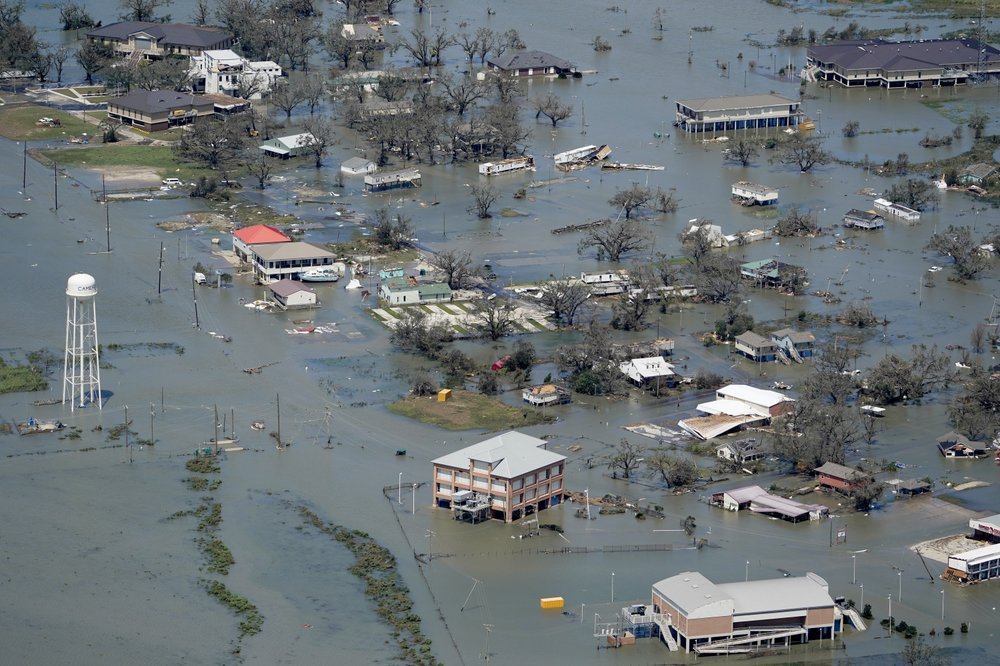
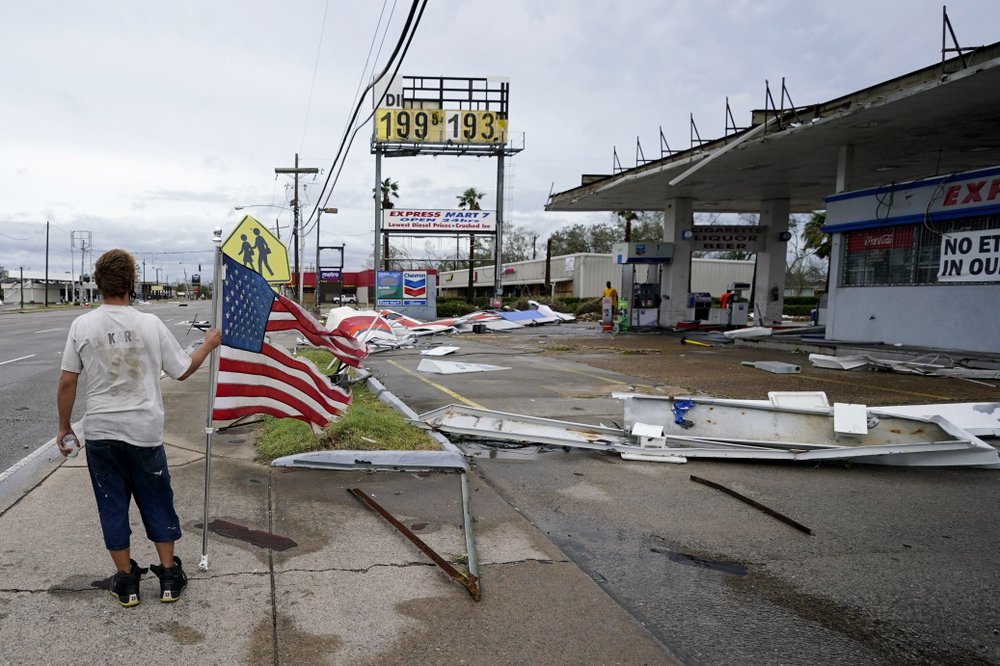
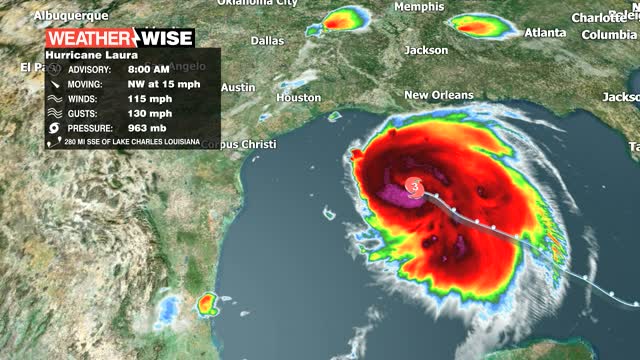
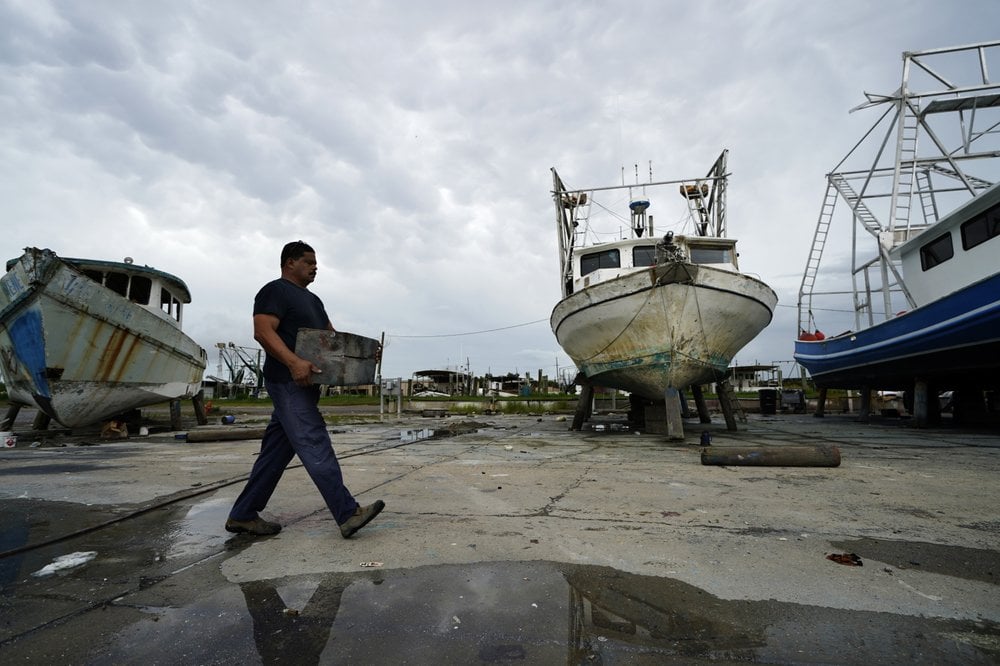
Hurricane Laura is forecast to rapidly power up into a βcatastrophicβ Category 4 hurricane, even stronger than previously expected, as it churns toward Texas and Louisiana, swirling wind and water over much of the Gulf of Mexico.
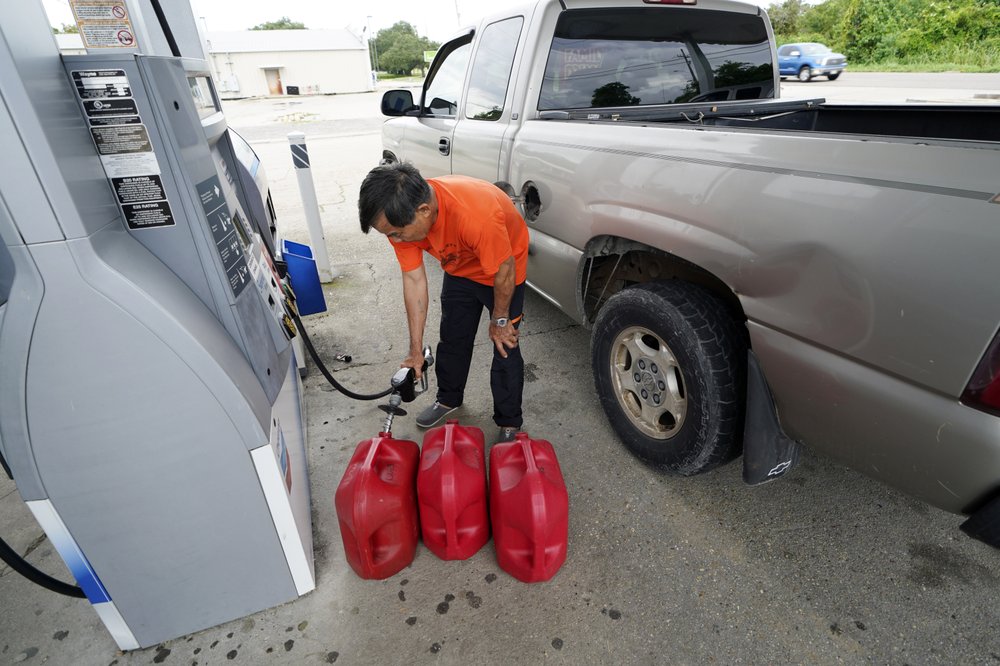
As North Carolina saw a significant jump at the pump making the nationβs top 10 largest weekly changes, South Carolina continues to be a part of the top 10 least expensive markets.
Laura became a hurricane Tuesday shortly after entering the warm and deep waters of the Gulf of Mexico, gathering strength on a path to hit the U.S. coastline as a major storm that could unleash a surge of seawater higher than a basketball hoop and swamp entire towns.
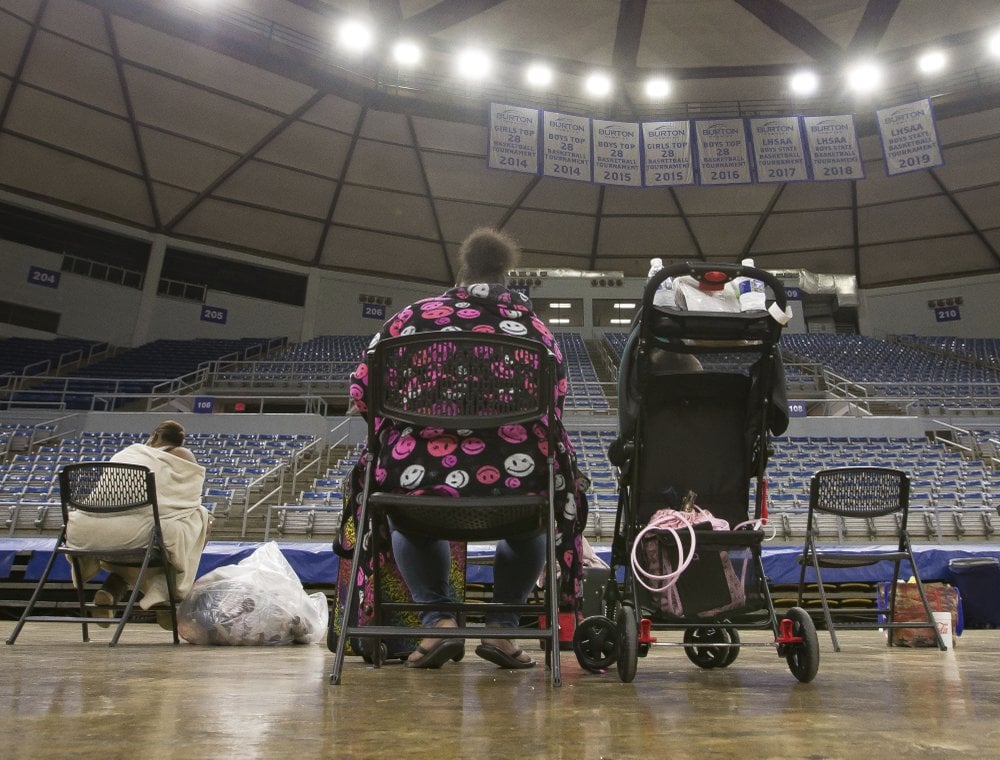
The Gulf Coast braced Sunday for a potentially devastating hit from twin hurricanes as two dangerous storms swirled toward the U.S from the Gulf of Mexico and the Caribbean. Officials feared a history-making onslaught of life-threatening winds and flooding along the coast, stretching from Texas to Alabama.
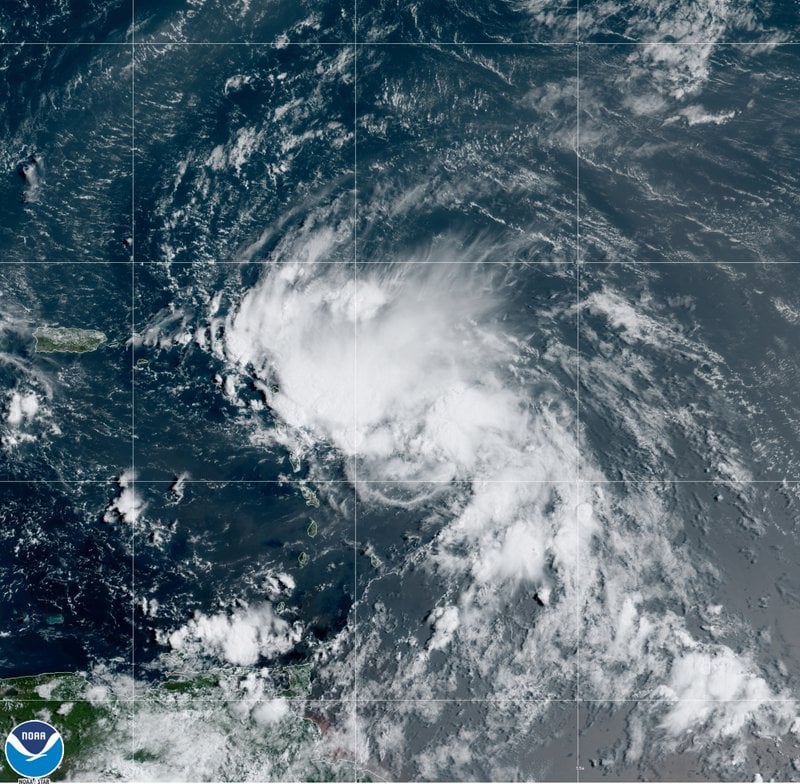
Two tropical storms advanced across the Caribbean Saturday as potentially historic threats to the U.S. Gulf Coast, one dumping rain on Puerto Rico and the Virgin Islands while the other was pushing through the gap between Mexicoβs Yucatan Peninsula and Cuba.
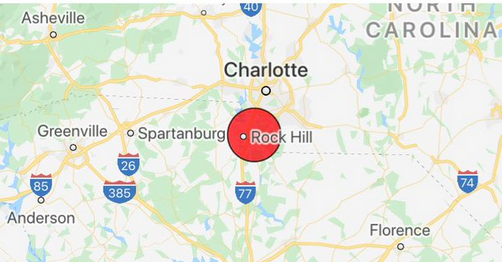
A 2.0 magnitude earthquake was reported just before 8am in the town of Leslie, South Carolina, which is just east of Rock Hill.
Tropical Storm Laura formed Friday in the eastern Caribbean and forecasters said it poses a potential hurricane threat to Florida and the U.S. Gulf Coast. A second storm also may hit the U.S. after running into Mexicoβs Yucatan Peninsula.
Greenland lost a record amount of ice during an extra warm 2019, with the melt massive enough to cover California in more than four feet (1.25 meters) of water, a new study said.
California sizzled to a triple-digit temperature so hot that meteorologists need to verify it as a planet-wide high mark.
Specialists from the University of Memphis are traveling to North Carolina to monitor aftershocks of this past weekendβs 5.1 magnitude earthquake, the school said.
Tropical Storm Josephine formed in the Atlantic Ocean on Thursday morning, making it the earliest βJ-namedβ storm in a record-setting hurricane season.
A magnitude 2.9 aftershock on Tuesday rattled the North Carolina town where a 5.1 earthquake on Sunday shook items from grocery store shelves and caused damage to homes and businesses, the U.S. Geological Survey said.
A rare storm packing 100 mph winds and with power similar to an inland hurricane swept across the Midwest, blowing over trees, flipping vehicles, causing widespread property damage and leaving hundreds of thousands without power as it moved through Chicago and into Indiana and Michigan.
The Scripture quite literally came to life for several Catholic churches in North Carolina as a rare earthquake rattled portions of the state over the weekend.
The 5.1-magnitude quake was the strongest shock to hit the Carolinas since 1916 and could be felt as far away as Chicago.