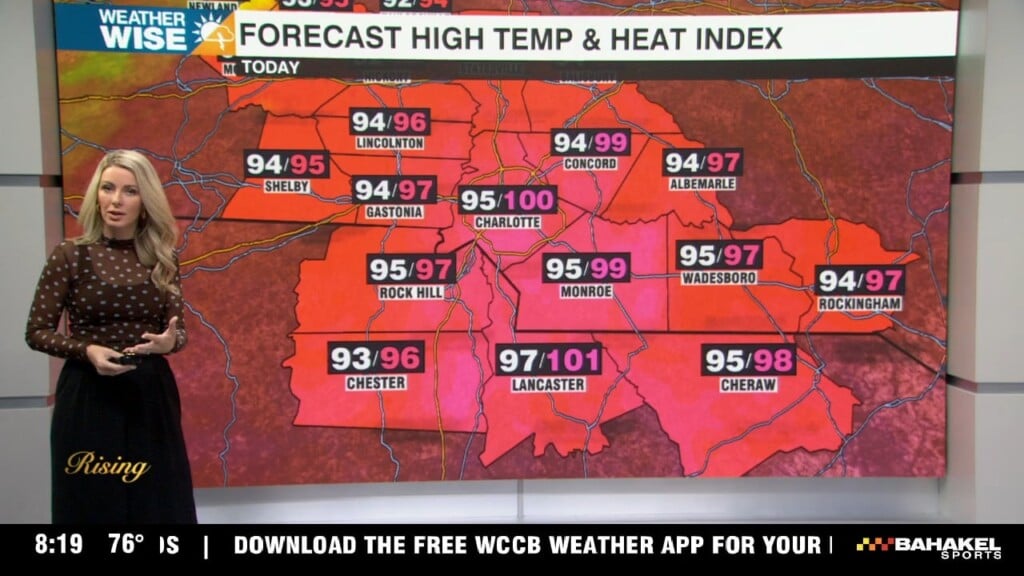
Isolated severe storms Friday with intense heat
Hot and humid, plus a storm threat Friday. Temperatures cool down by midweek next week.
Hot and humid, plus a storm threat Friday. Temperatures cool down by midweek next week.
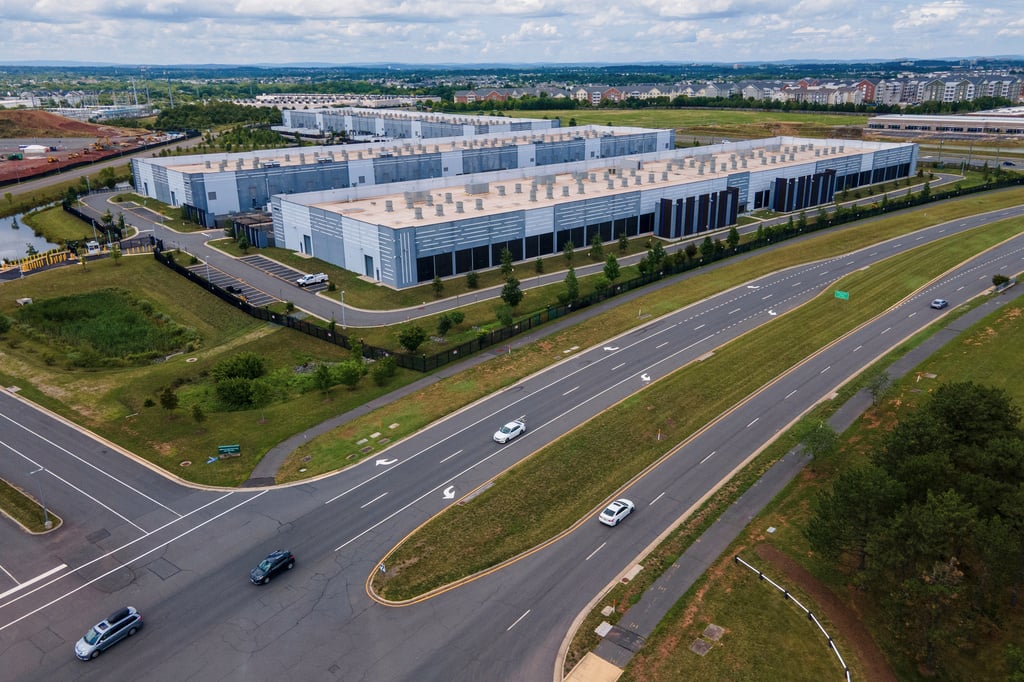
A new AP-NORC poll shows Americans are growing more concerned about the environmental impacts of AI. The survey data say about half of Americans are “extremely” or “very” concerned about artificial intelligence’s environmental impact.

Getting storm ready means more than stocking up on supplies. Seth Miller joined WCCB Rising Wednesday with what important documents to copy, where to store them and who to contact when disaster strikes.
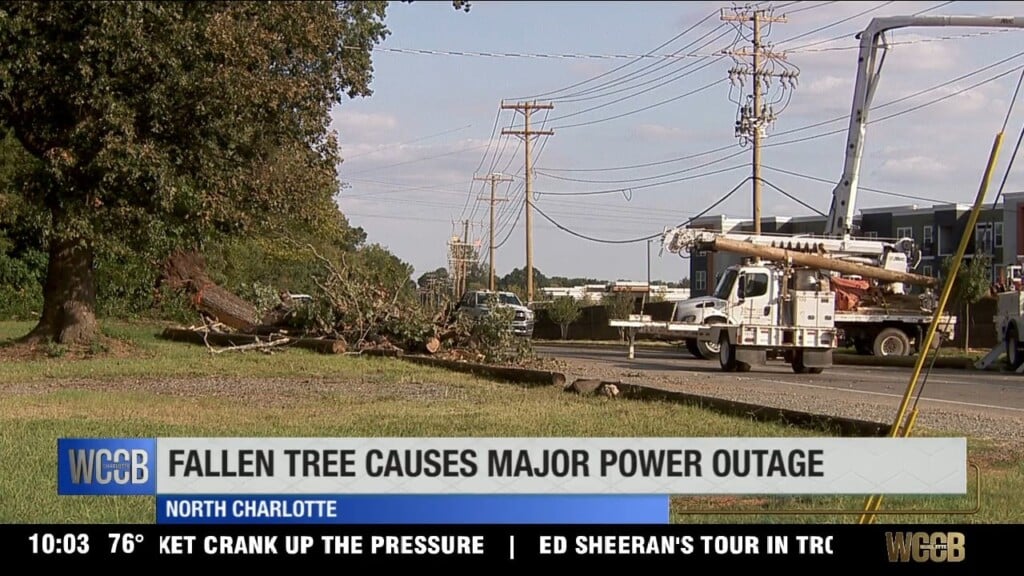
A fallen tree is to blame for a power outage that left more than 4,000 Duke Energy customers without electricity in north Charlotte on Tuesday.
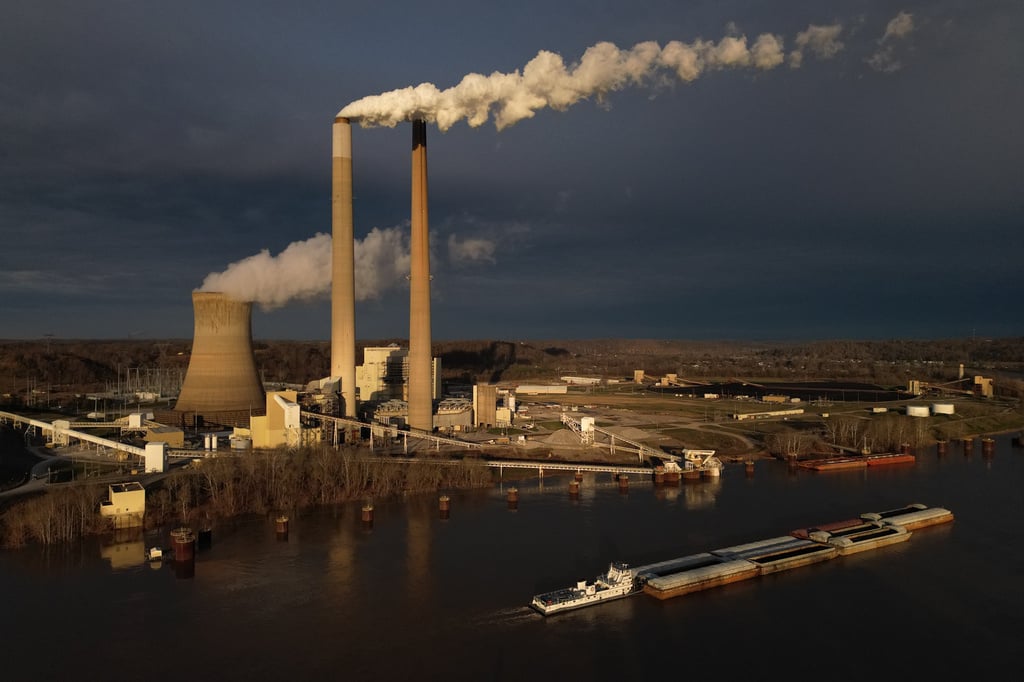
The Environmental Protection Agency is repealing rules that limit planet-warming greenhouse gas emissions from power plants fueled by coal and natural gas, an action the agency said would remove more than $300 billion in costs for the industry and help “unleash” American energy.
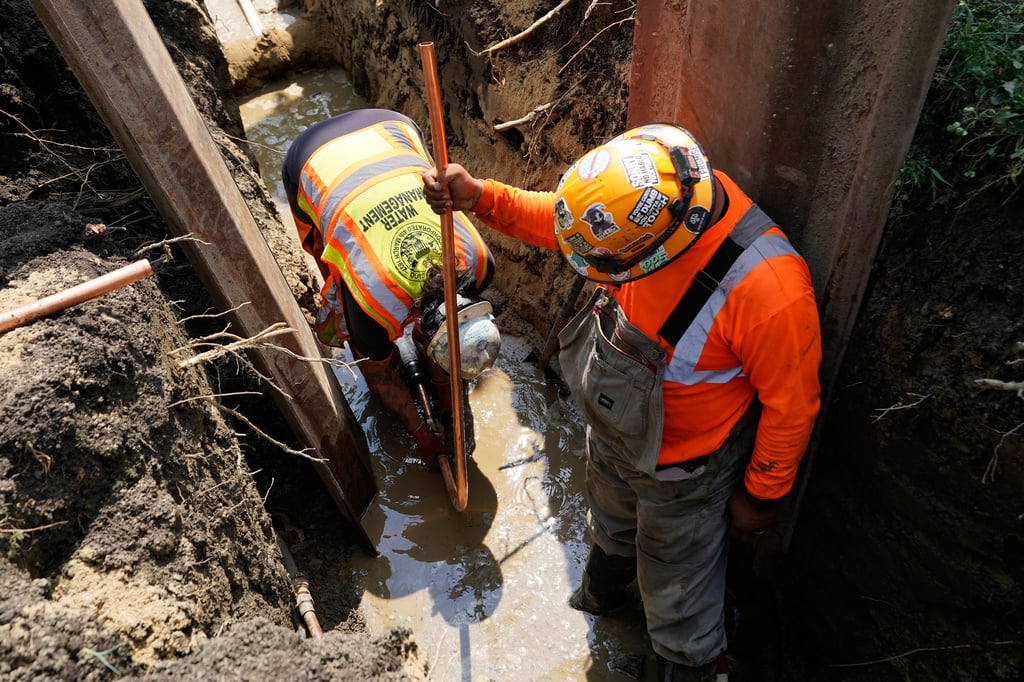
Roughly 6,300 water systems serving 3.8 million Americans have still not submitted a required list of how many lead service lines remain in use. Those inventories are critical for cities to replace all lead pipes by an upcoming 10-year deadline. Failing to document the lines also means residents won't know if their homes have a potential source of lead exposure.
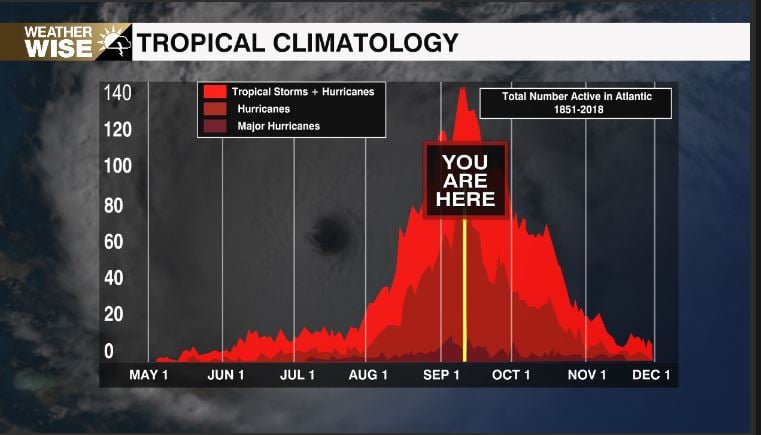
So far, the Atlantic has produced the lowest amount of Accumulated Cyclone Energy (ACE) through September 10 of any season since 1950. That’s a pretty incredible stat when you stop and think about it. At the very peak of hurricane season, the Atlantic is having its quietest start to a season in terms of ACE in at least 75 years.
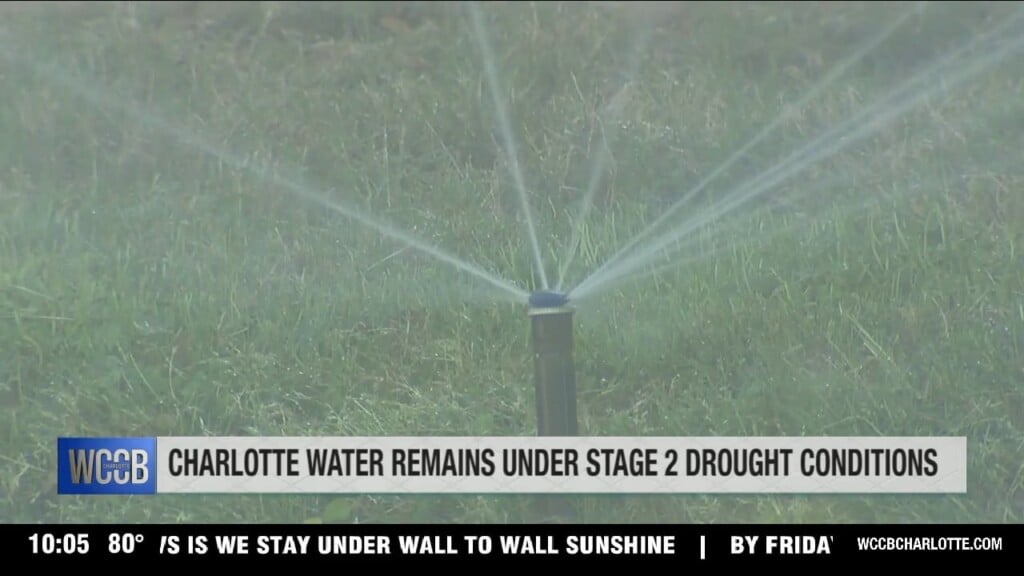
Charlotte remains under stage two drought conditions. Despite recent rainfall, Charlotte Water says it hasn't been enough to overcome how little rain we've seen since last fall.
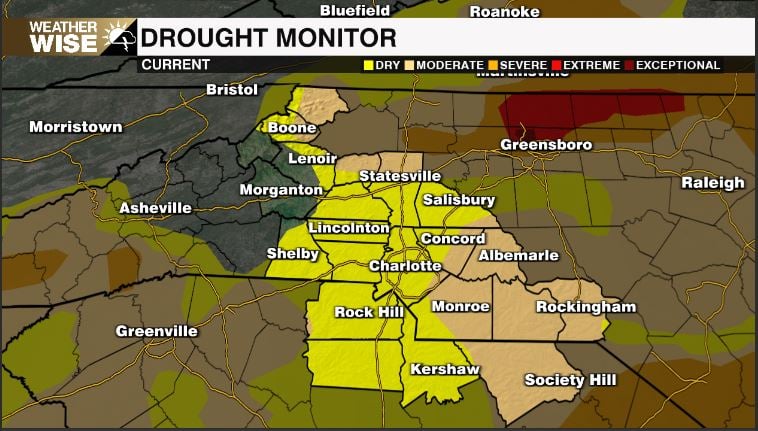
Charlotte Water says the Catawba River Basin remains in a Stage 2 drought because the watershed is still recovering from a long stretch of below-normal rainfall and reduced streamflow. In other words, the recent rain has helped, but it hasn't erased the deficit that has built up over many months.