Showers Saturday, fall feels this weekend
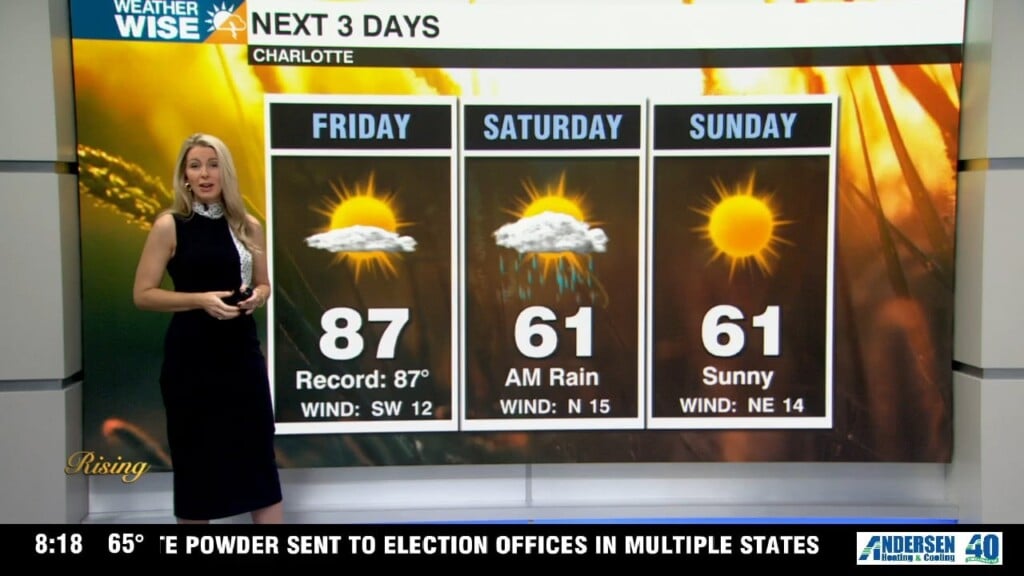
After a 90° day on Thursday, a strong cold front will bring much cooler air to the Carolinas this weekend.
After a 90° day on Thursday, a strong cold front will bring much cooler air to the Carolinas this weekend.
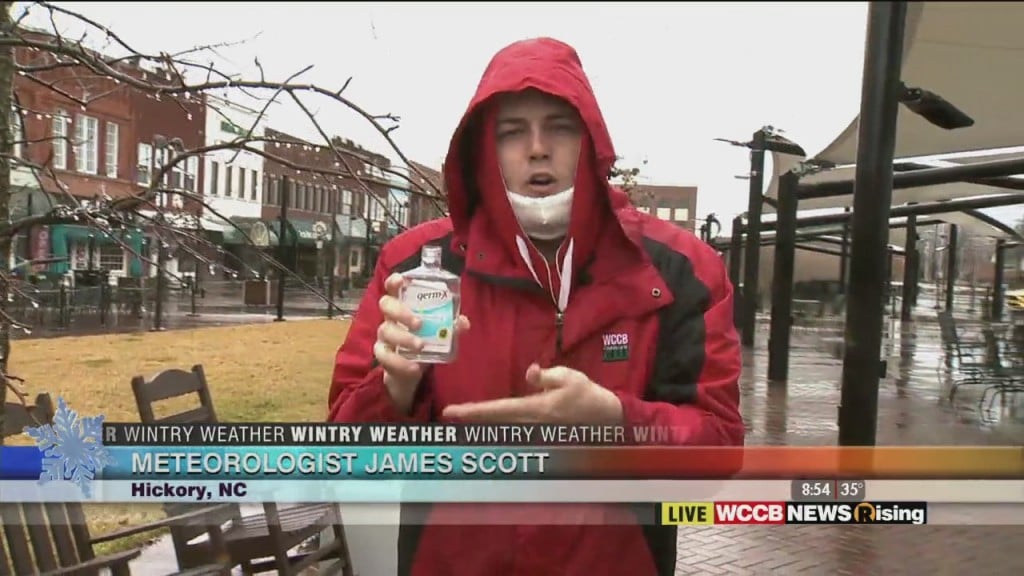
Did you know that hand sanitizer can melt ice? WCCB Meteorologist James Scott puts it to the test in Hickory Thursday morning as wintry weather hits the town.
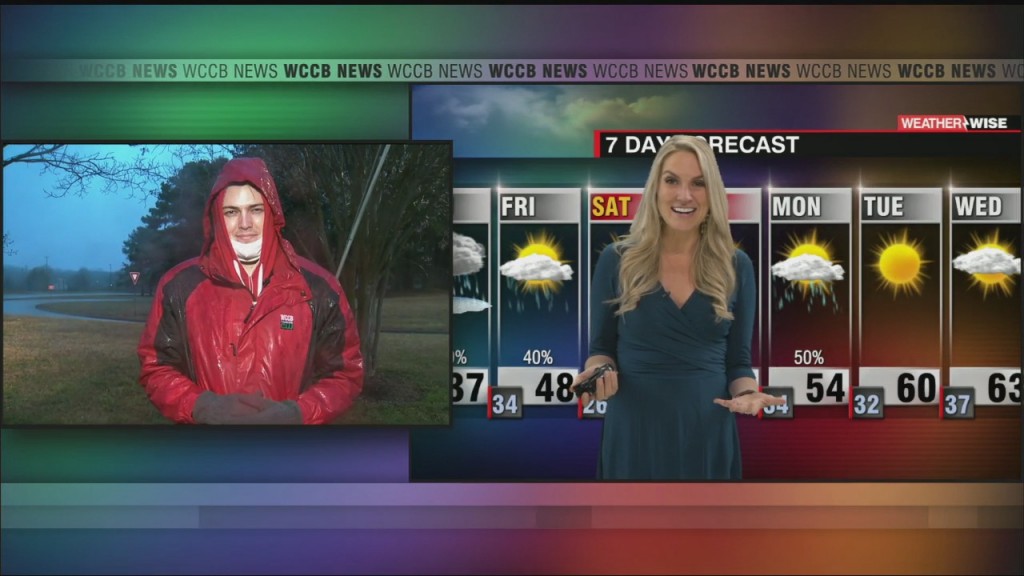
Winter Storm Warnings remain in effect as ice accumulates across the region.
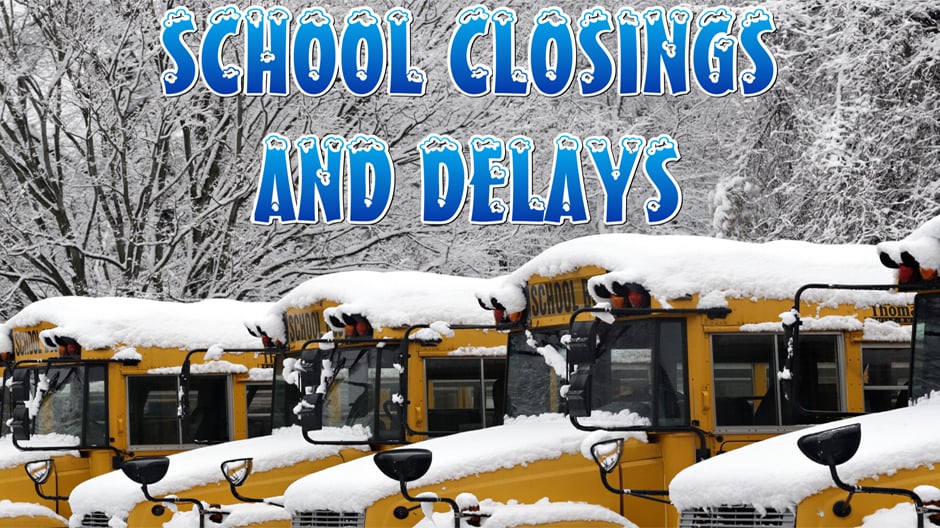
Several schools in the WCCB viewing area will be closed, delayed, or going fully remote on Thursday, February 18th due to the possibility of inclement weather.
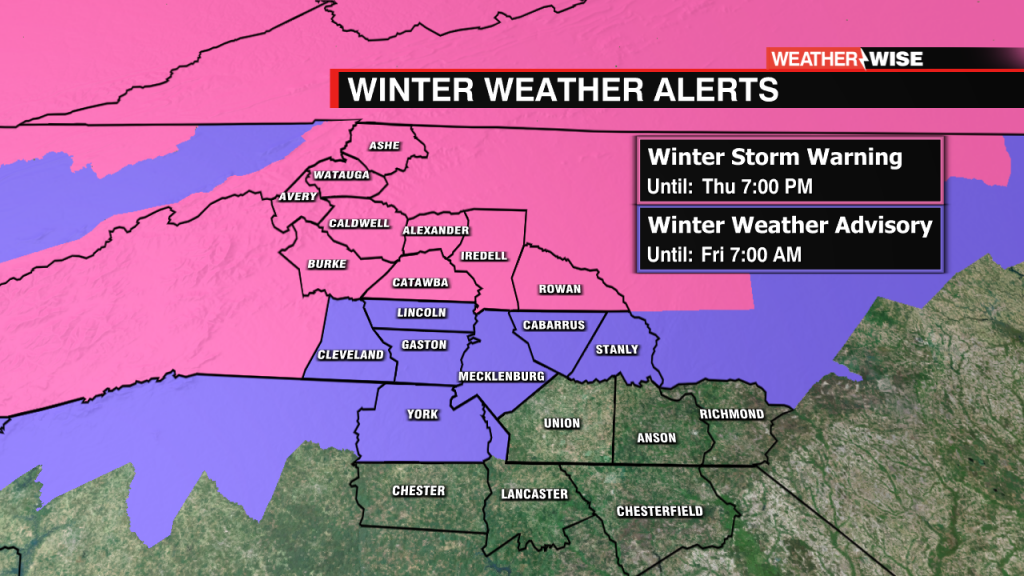
Winter Weather Alerts for Charlotte and much of the WCCB region ahead of Thursday storm.
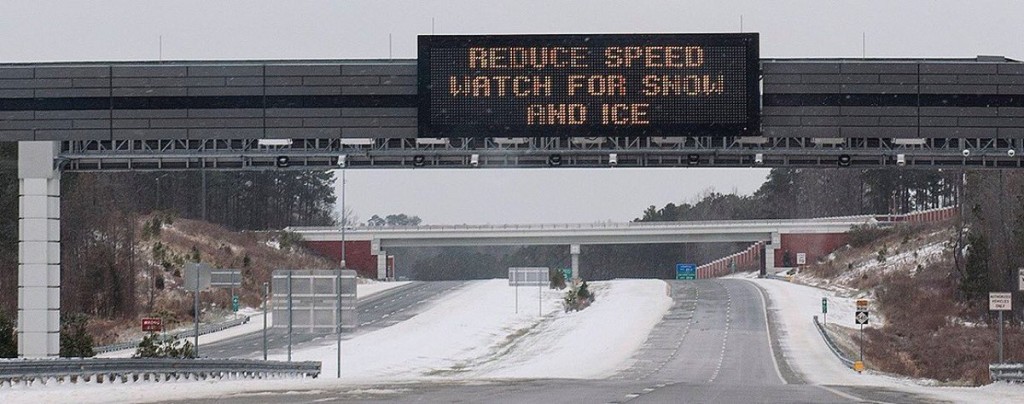
Governor Roy Cooper has issued a State of Emergency for North Carolina as an incoming ice storm is expected to cause power outages and fallen trees throughout the state.
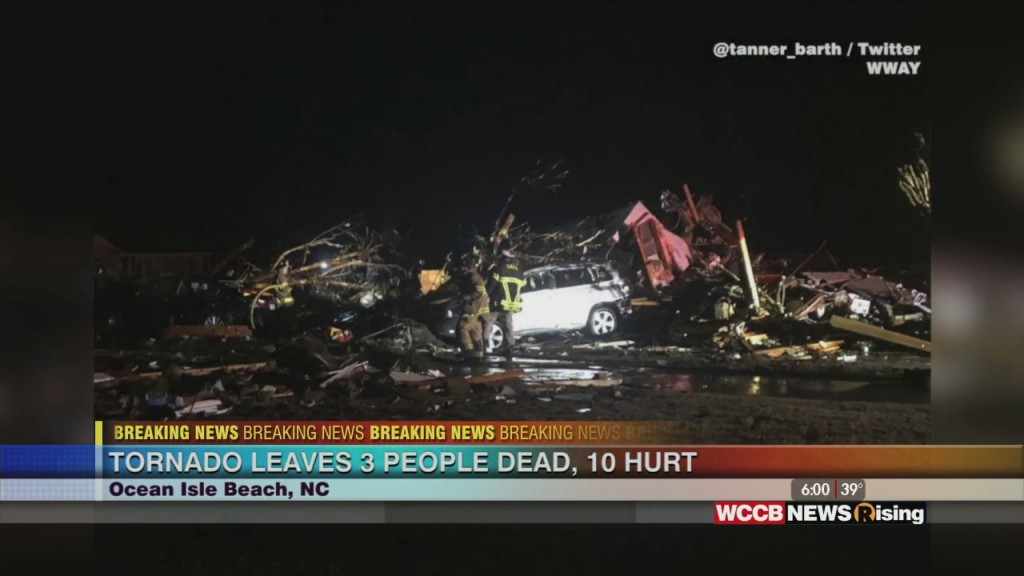
An apparent tornado killed three people and injured 10 others as it struck a coastal North Carolina town, authorities said. It was spawned along the edge of the same weather system bringing bitterly cold temperatures to much of the nation.
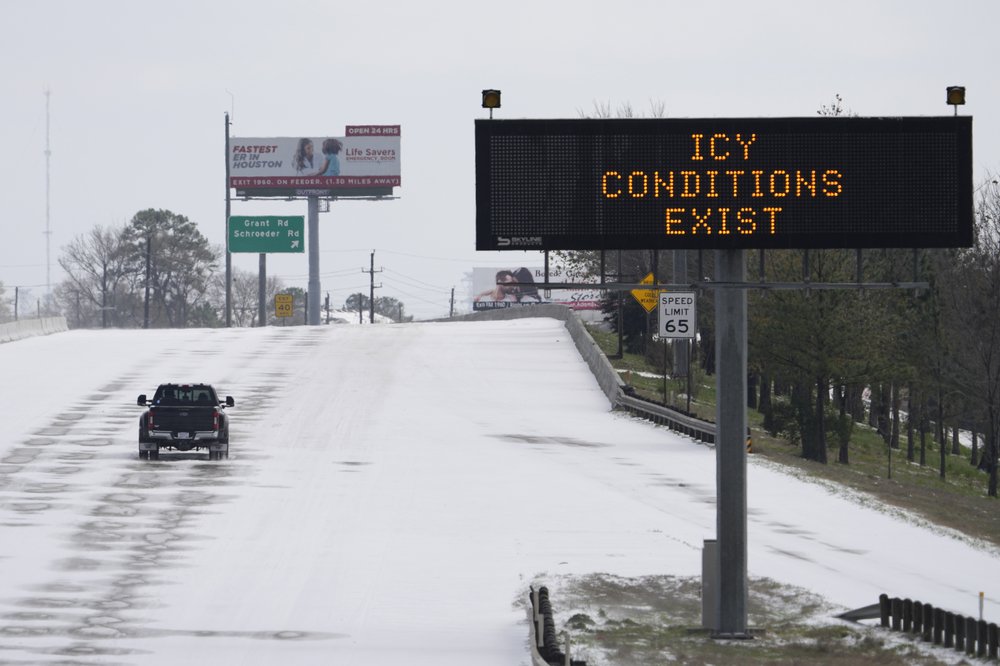
At least three people were killed when a tornado tore through a seaside town in North Carolina as millions of people in Texas remained in the dark early Tuesday amid subfreezing temperatures.
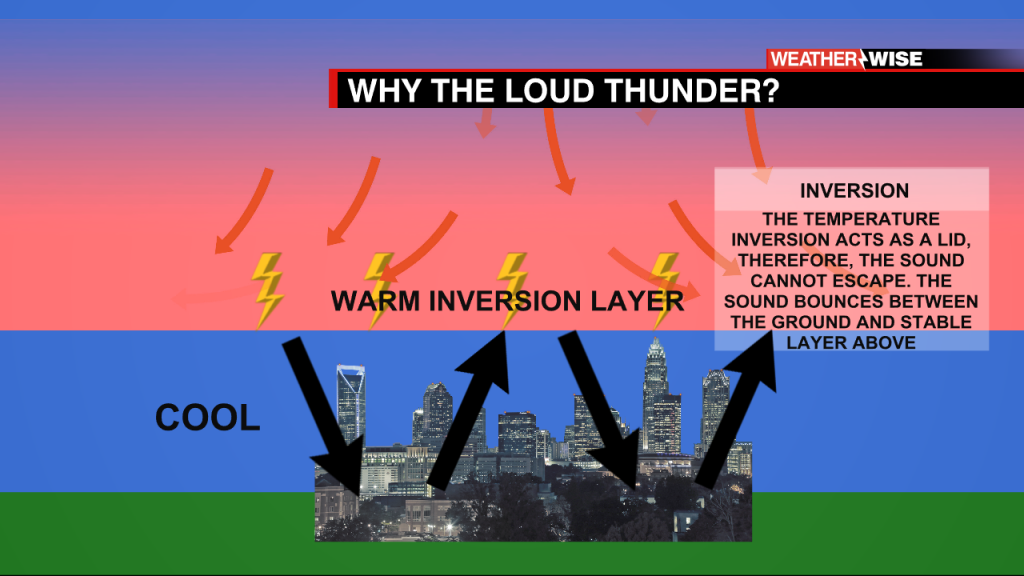
When temperatures rise with height through the atmosphere, this is called a temperature inversion.
 Formerly Twitter