First "Survivor" winner Richard Hatch on new book
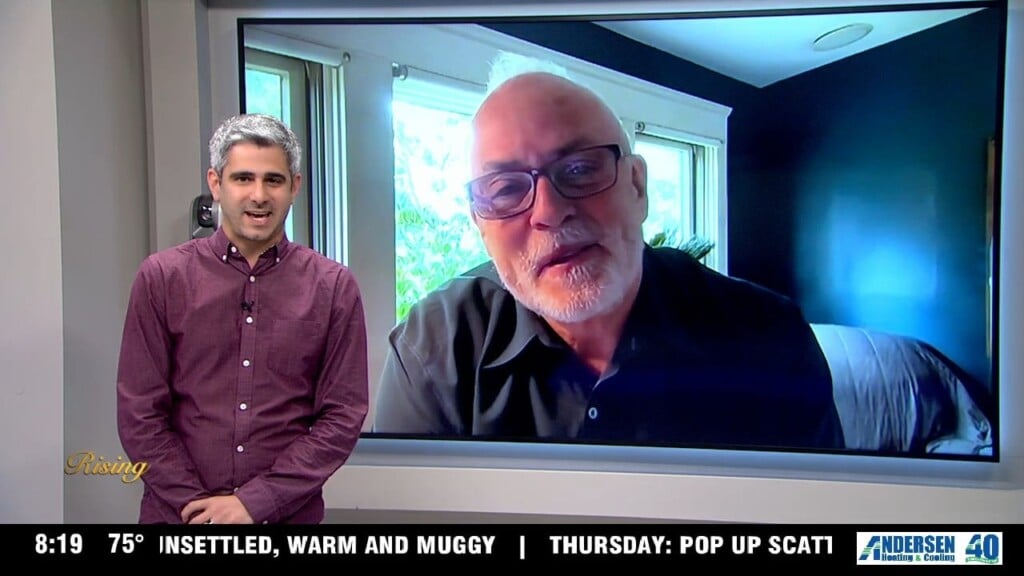
Richard Hatch, the very first winner of Survivor joined Adam Wurtzel on Rising for a chat about his new book.
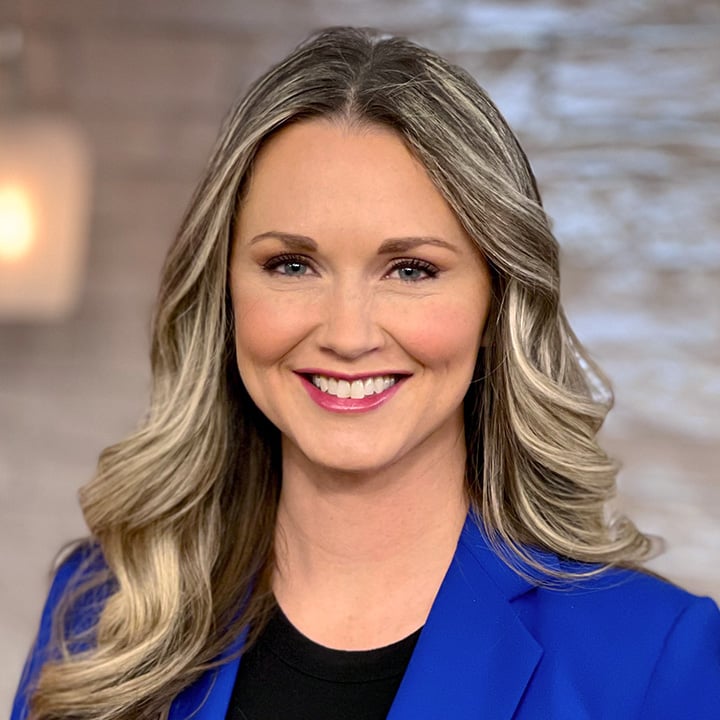
Richard Hatch, the very first winner of Survivor joined Adam Wurtzel on Rising for a chat about his new book.
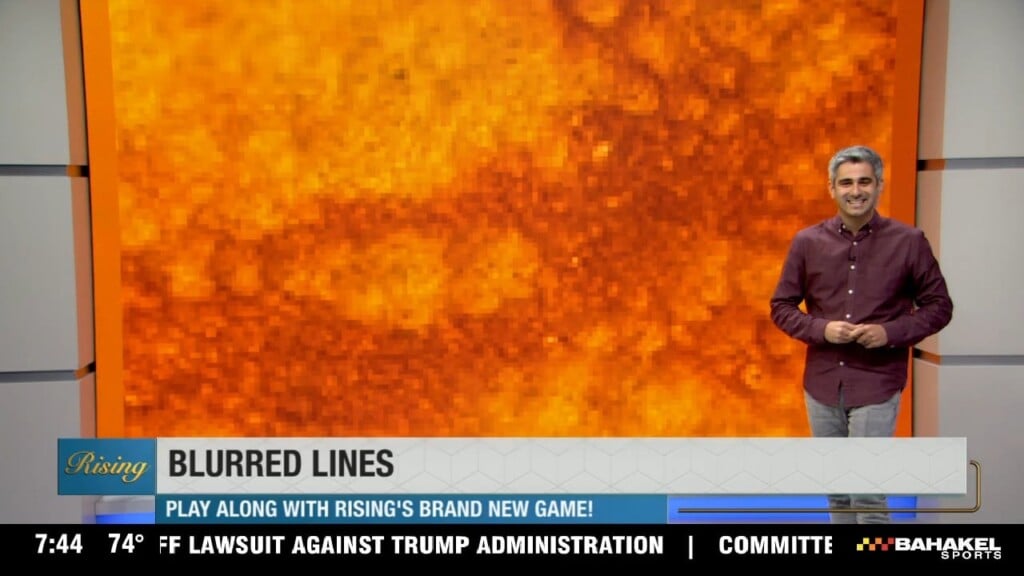
Adam Wurtzel hosted a brand new game original to Rising when he challenged Joe, Taylor and Kaitlin to play "Blurred Lines." Play along at home!
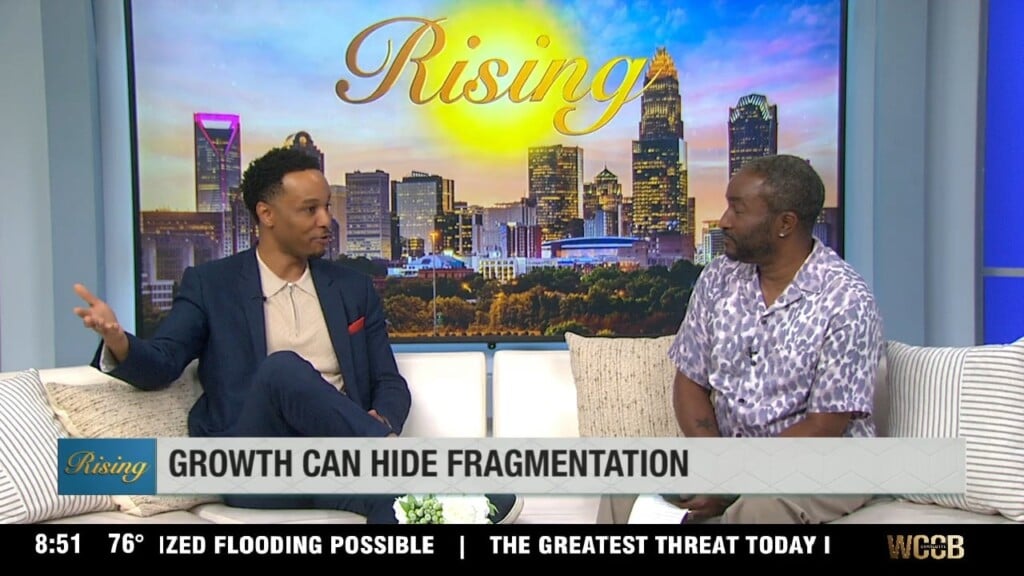
Charlotte is one of America’s fastest-growing cities, but David “Dae-Lee” Arrington believes growth can also expose a growing gap in trust and connection.
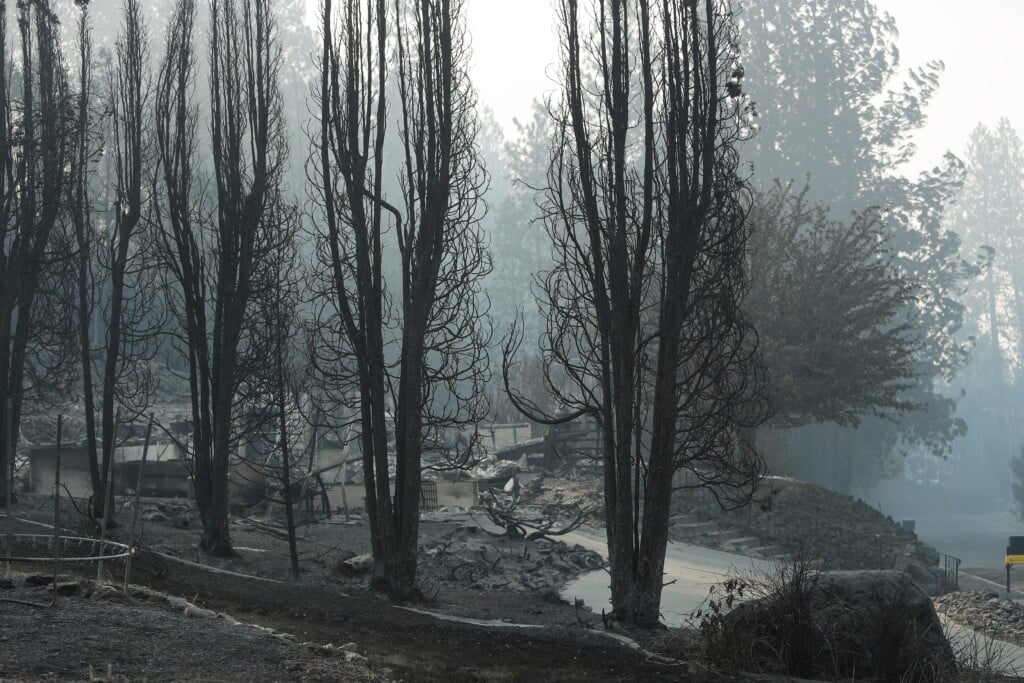
Authorities arrested a 37-year-old man they suspect of starting one of the devastating wildfires tearing through eastern Washington state as many residents were left wondering if their homes had survived.
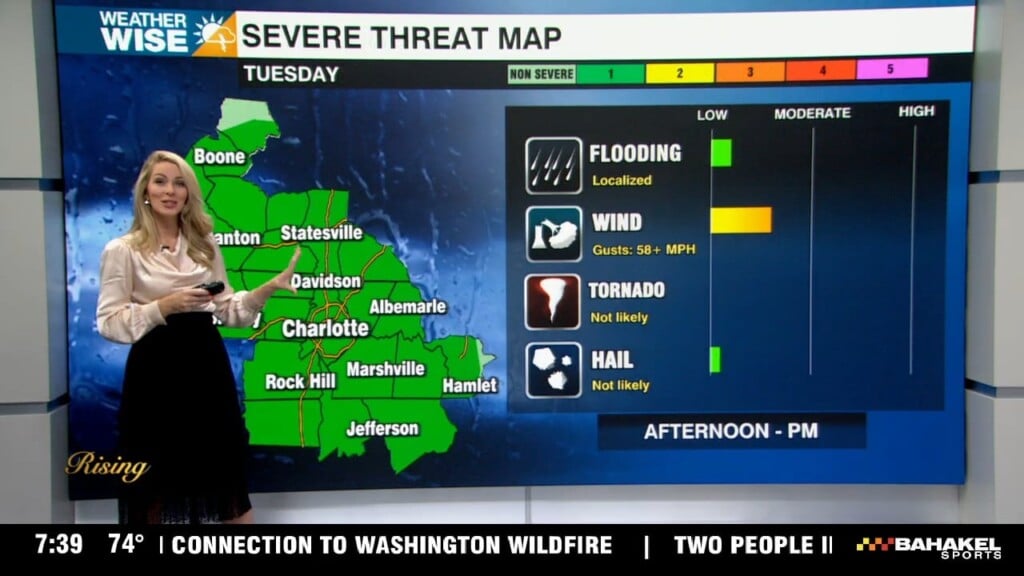
Rain chances increase through the afternoon with isolated severe storms possible. Damaging winds are our main threat with localized flooding also possible.
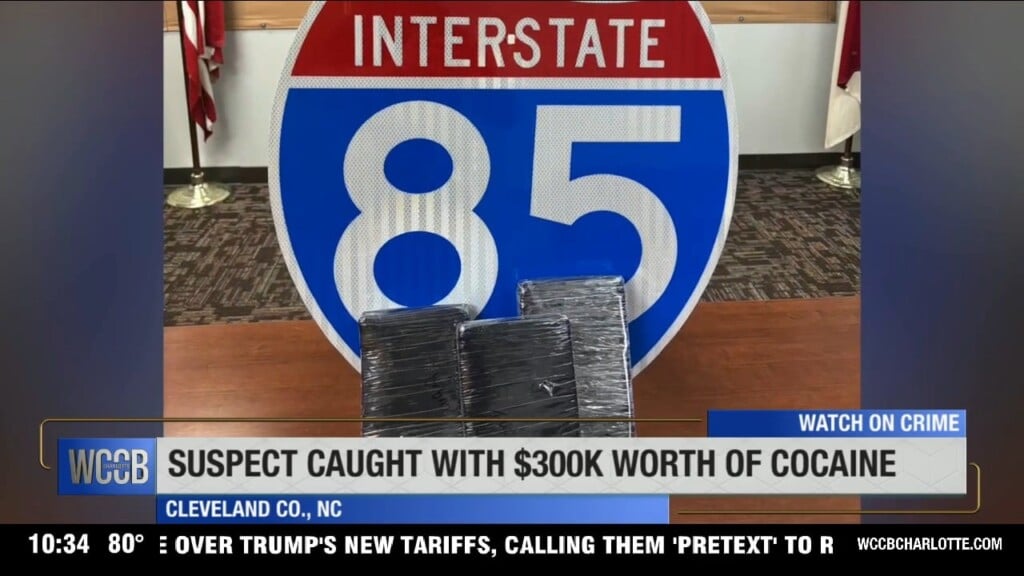
Cleveland County Sheriff's deputies say they seized three kilos of cocaine during a traffic stop with a street value of $300,000.
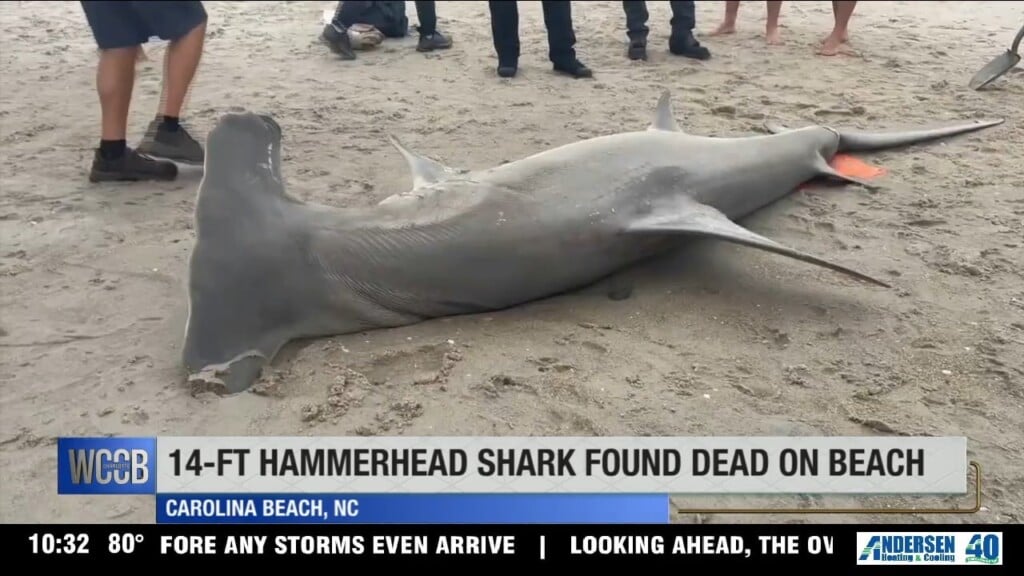
Beachgoers on the north end of Carolina Beach were shocked to see a 14-foot scalloped hammerhead shark on the sand Sunday afternoon.
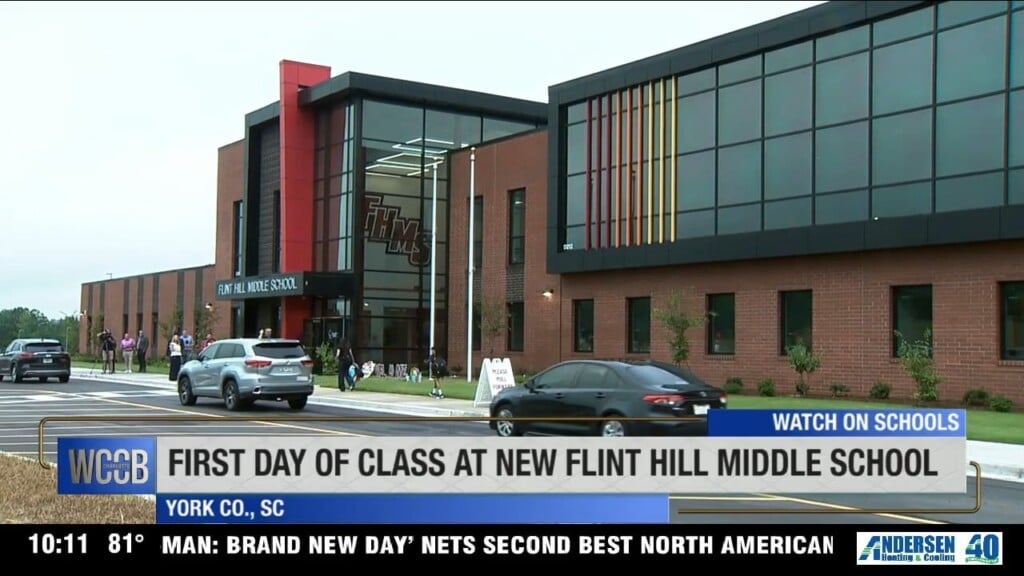
Many students are already back in the classroom in the Palmetto State.
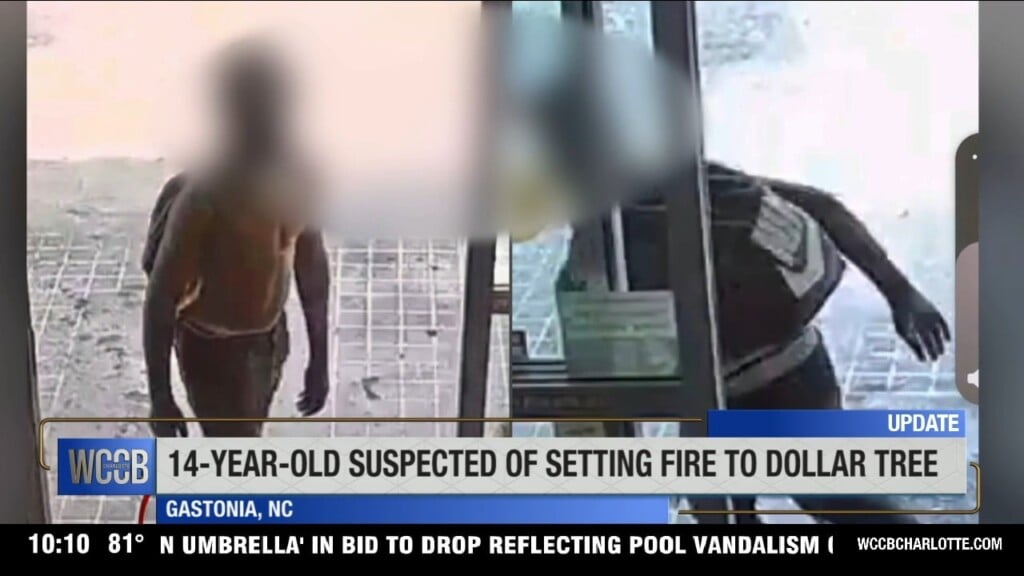
Gastonia Police say they've identified a suspect arsonist, and he's only 14-years-old.
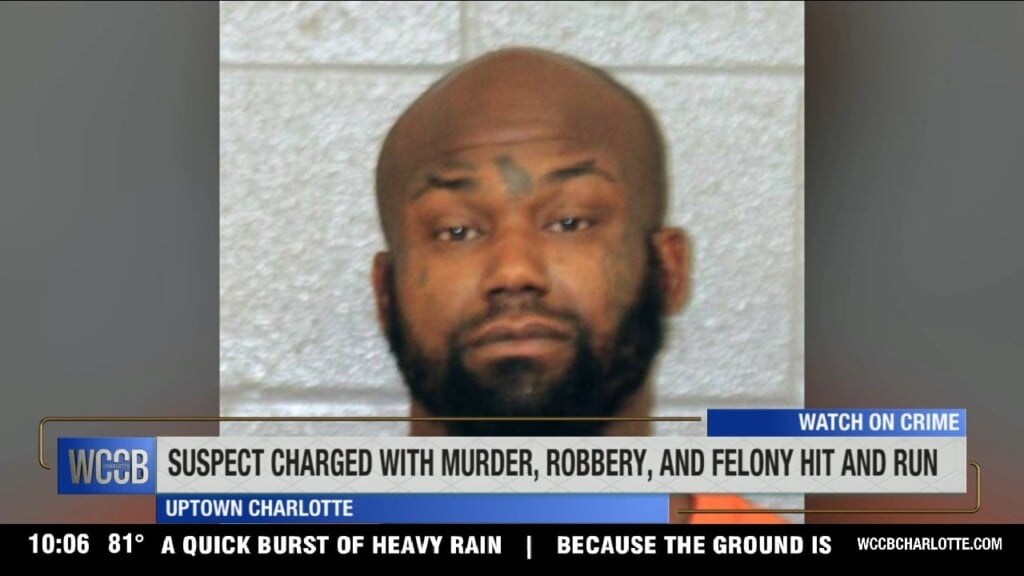
CMPD has made an arrest after a deadly shooting and multi-car crash in Uptown Charlotte over the weekend.
 Formerly Twitter